
A family guide to a first European football matchday
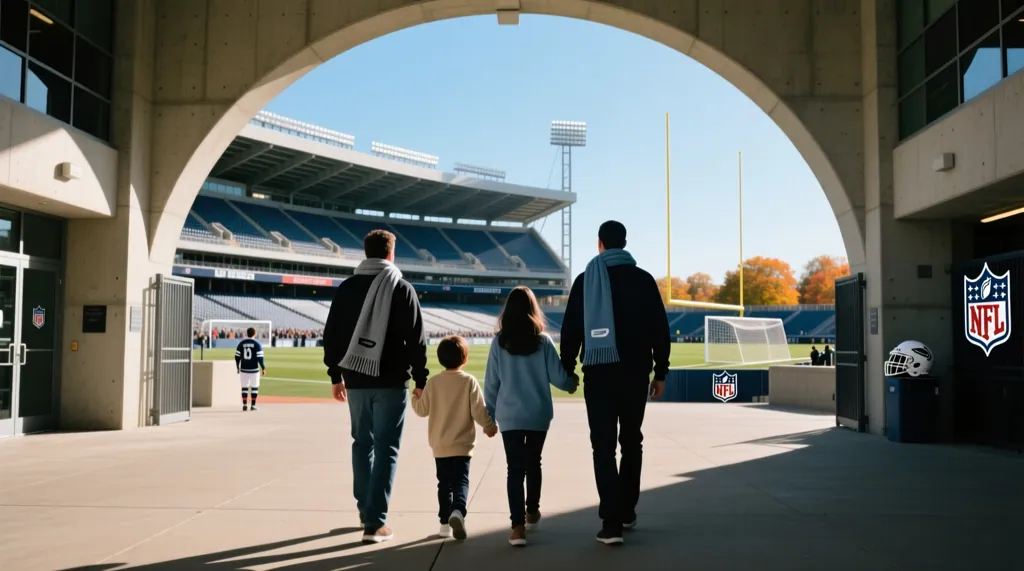
A first football match is a big day for a child and a bigger planning exercise for the adult. The variables that matter most are the kick-off time, the position of the seats, the length of the walk and the noise, and each of them can be chosen rather than endured.
Choose the fixture before the ground
The safest first match is a mid-afternoon league fixture, not an evening cup tie and certainly not a European night. Afternoon kick-offs leave daylight for the journey home and dial down the intensity around the ground.
Avoid derbies and the biggest fixtures entirely for a first visit. The atmosphere that makes those matches famous is exactly what overwhelms a young child on a first trip.
A smaller ground with a full but gentle crowd is a better introduction than a huge stadium with a hostile edge, even though the huge stadium is the more impressive building.
Where to sit with children
The family section, where a club has one, is the obvious answer and is usually in a side stand at a moderate height. It gives a clear view of the pitch and a calmer crowd than the ends behind the goals.
Avoid the lower rows behind a goal, where the view is blocked by standing adults and the noise is at its most concentrated. Avoid the very top of a large upper tier as well, since the height can be unsettling.
A side stand at middle height is the compromise that works: close enough to see the players, high enough to see the shape of the match, and far enough from the loudest blocks to talk.
The matchday essentials
- Pick a mid-afternoon league fixture, not a derby.
- Sit in a side stand at middle height, in the family section if there is one.
- Take ear defenders — they are normal and they work.
- Check which stands are covered before booking.
- Ask about pushchair storage in advance.
- Build an hour of slack into the arrival.
Kick-off times and the journey
The journey is the part that decides whether the day works. A ground reached by a single direct metro ride is easier than one that needs two changes and a long walk.
Late kick-offs are a poor choice for young children, because the exit happens after dark in a crowd. If the only fixture available is an evening match, plan for the crush and leave before the final whistle.
Build an hour of slack into the arrival. Rushing a child through a crowded station before kick-off is the fastest way to turn a good day into a bad one.
Mangeing noise, weather and tiredness
Noise is the most underestimated factor. Ear defenders are inexpensive, entirely normal at European grounds, and the single most useful item in the bag for a first visit.
Weather decides the stand as much as the view does. Check which stands are covered before booking, because a cold, wet child at a football match does not care about the sightline.
Tiredness arrives around the hour mark. A snack, a drink and the freedom to stand up and walk to a concourse at half-time will rescue the second half.
| Choice | Better option | Why |
|---|---|---|
| Kick-off time | Mid-afternoon | Daylight for the journey home; calmer build-up. |
| Fixture | Routine league match | Derbies and European nights are too intense for a first visit. |
| Stand | Side stand, middle height | Clear view, quieter crowd, easy to talk. |
| Ground | Reachable in one direct ride | Fewer changes and less walking. |
| Seats | Family section if available | Designed for children and a calmer crowd. |
| Bag | Small, with ear defenders | Noise is the biggest surprise factor. |
The practical bag
The small-bag rule applies to families too, so the kit has to be compact: ear defenders, a spare layer, a sealed soft drink, a snack, and a fully charged phone.
Most grounds in this guide have no left luggage, and pushchairs are a mixed picture. Ask the club in advance whether a pushchair can be stored, because the answer varies and turning up without an answer is a problem at the turnstile.
Making the day memorable for the right reasons
Arrive early enough to walk a full lap of the ground, watch the warm-up and find the seats without pressure. The build-up matters as much as the match to a child on a first visit.
Take a photograph from the seats before kick-off, when the ground is filling and the pitch is empty. And leave a little early if the alternative is an hour of standing in a crowd with a tired child.
What changes on a family visit
A first match with children is as much about the fixture as about the ground. An afternoon kick-off in a league match is easier than an evening European night, a smaller ground is quieter than a full one, and a side stand with a clear sightline beats a place behind a goal. Pick the fixture for the youngest supporter in the group rather than for the best atmosphere, and the day almost organises itself.
A first match works when the fixture is gentle, the seats are sensible and the journey is short. Choose those three, pack light, and the football takes care of the rest.