
PGE Narodowy (Stadion Narodowy): matchday guide, stands
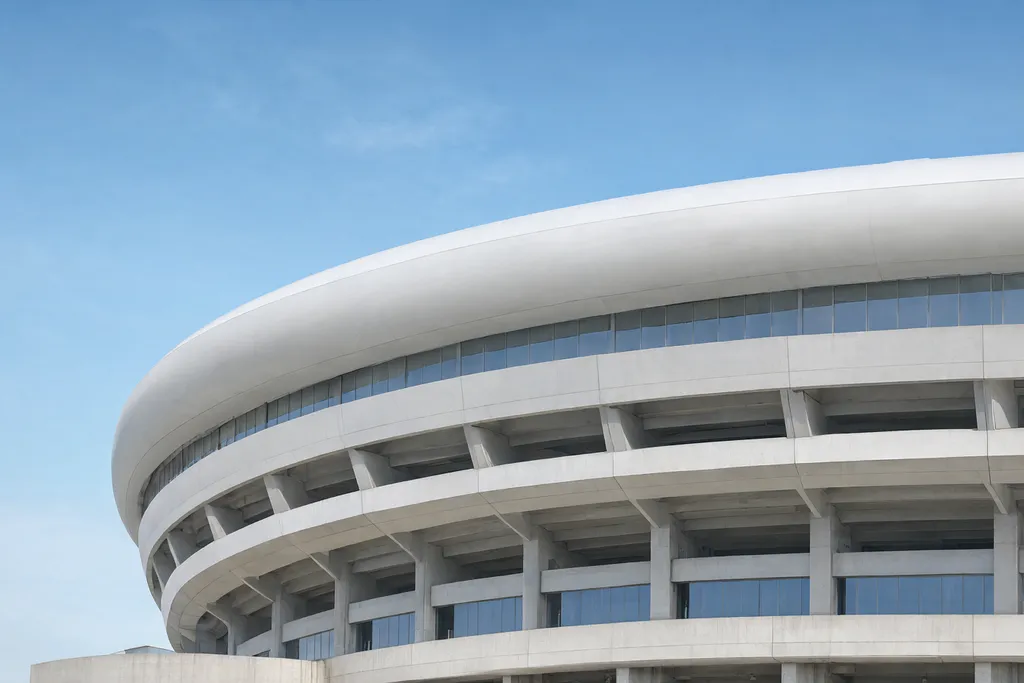
PGE Narodowy (Stadion Narodowy) is the home of Poland national team in Warsaw, with a nominal capacity of 58,580 and an opening date of 2012. Built for Euro 2012 with a retractable roof, it has its own railway station and metro stop. This guide covers how to reach the ground, the real names of its stands, the away section, the matchday rules, where supporters gather, and tours and tickets.
At a glance
Poland national team have played at PGE Narodowy (Stadion Narodowy) since 2012, and the ground is the anchor of the whole matchday: everything in Praga Południe is organised around the hours either side of kick-off.
Getting there: lines, stations and timings
Routes for PGE Narodowy (Stadion Narodowy), station by station. Warsaw Metro — line M2 — Stadion Narodowy station is directly at the ground. Warszawa Stadion railway station — The suburban rail station next to the ground links the cross-city line. Trams and buses — Several tram and bus stops surround the stadium on both sides. From the airport — Chopin Airport is about 30 minutes by bus and metro to the centre.
Public transport is the default here, and the map below sets out the lines and the stations rather than a single route — there is usually more than one sensible way in.
Driving is possible but rarely worth it. Parking near a ground of this size is limited, expensive and slow to leave after the final whistle.
The matchday essentials
- Arrive about an hour before kick-off — PGE Narodowy (Stadion Narodowy) is large and the walk from the station is busiest late.
- Your gate matters more than your seat: check it against the stand name on the ticket.
- Take only a small bag; there is no general left luggage at the ground.
- Away supporters enter through the North stand, upper tier turnstiles only.
- Plan the journey home before you travel: the nearest station queues after the whistle.
The stands, and where to sit
North stand is the reference point most regulars use when they describe the ground, and the other three stands each have their own character.
If you want volume rather than analysis, head for the goal ends. If you want to watch the way a team builds up, a seat along one of the side stands will always beat a place behind the goal.
As a rule, a seat in the corner between a side stand and a goal end gives you the best compromise: close enough to the singing to feel it, high enough to read the whole pitch.
The away section and its view
At a national stadium the visiting allocation is agreed per fixture and is usually placed high in the north end. For internationals the split is agreed per fixture; UEFA competition uses roughly five per cent for the visiting club.
The visiting allocation at PGE Narodowy (Stadion Narodowy) sits in North stand, upper tier. Because the away section is agreed by competition rather than by a single rule, the size and position can change between a league match and a European night.
The view from North stand, upper tier is a trade-off: a corner or upper-tier position gives you a clear sightline but puts distance between you and the goalmouth action.
| Item | Detail |
|---|---|
| Club | Poland national team |
| City | Warsaw, Poland |
| Nominal capacity | 58,580 (Permanent · all-seater, retractable roof) |
| Opened | 2012 · Praga Południe |
| Stands | North stand, East stand, South stand, West stand |
| Away allocation | North stand, upper tier |
Matchday rules: bags, colours, banners and drums
Bag policy is the single most common reason for a delay at the turnstiles. Most grounds in this guide admit only small bags and refuse anything that will not fit under a seat.
Where supporters gather
For PGE Narodowy (Stadion Narodowy) the pattern is this. Praga: The district east of the river around the ground, with bars and cafés. Warsaw centre: Where most visitors stay, one metro stop away across the river. Vistula boulevards: The riverside walk between the centre and the stadium, busy on matchdays.
Praga is where the crowd gathers before kick-off, and it is the quickest way to feel the mood of a fixture on your first visit to Warsaw.
For a quieter pre-match, Warsaw centre is the sensible choice; the streets closest to the turnstiles fill first and empty last.
Tours, tickets and the rest of the visit
Tours run on selected days and include the dressing rooms, the tunnel, the dugouts and the roof mechanism of the Euro 2012 stadium.
On tickets: buy through the club or the official competition channel. Inflated resale prices are a genuine feature of the biggest fixtures at grounds this size, and they are avoidable.
If you are travelling specifically for the ground rather than the match, midweek league fixtures are usually easier to get into than weekend or European matches.
Matchday questions
How long does it take to get in? Turnstiles typically open between 60 and 90 minutes before kick-off, and the queue peaks in the final half hour. Arriving 45 minutes early is enough at most grounds.
Can I buy on the day? Occasionally, for smaller fixtures. For anything involving a big club or a European tie, assume you need a ticket in advance.
PGE Narodowy (Stadion Narodowy) is worth the journey whether or not you have a seat in the best part of the ground. Read the stand names, plan the transport, keep the bag small, and the matchday takes care of itself.